





Qingdao Tennry Carbon Co., Ltd.

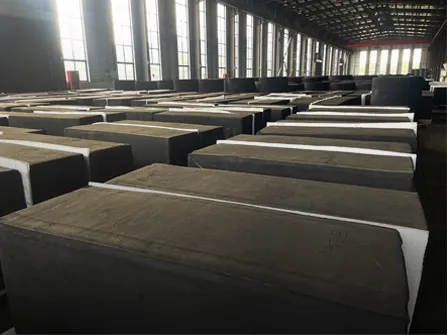
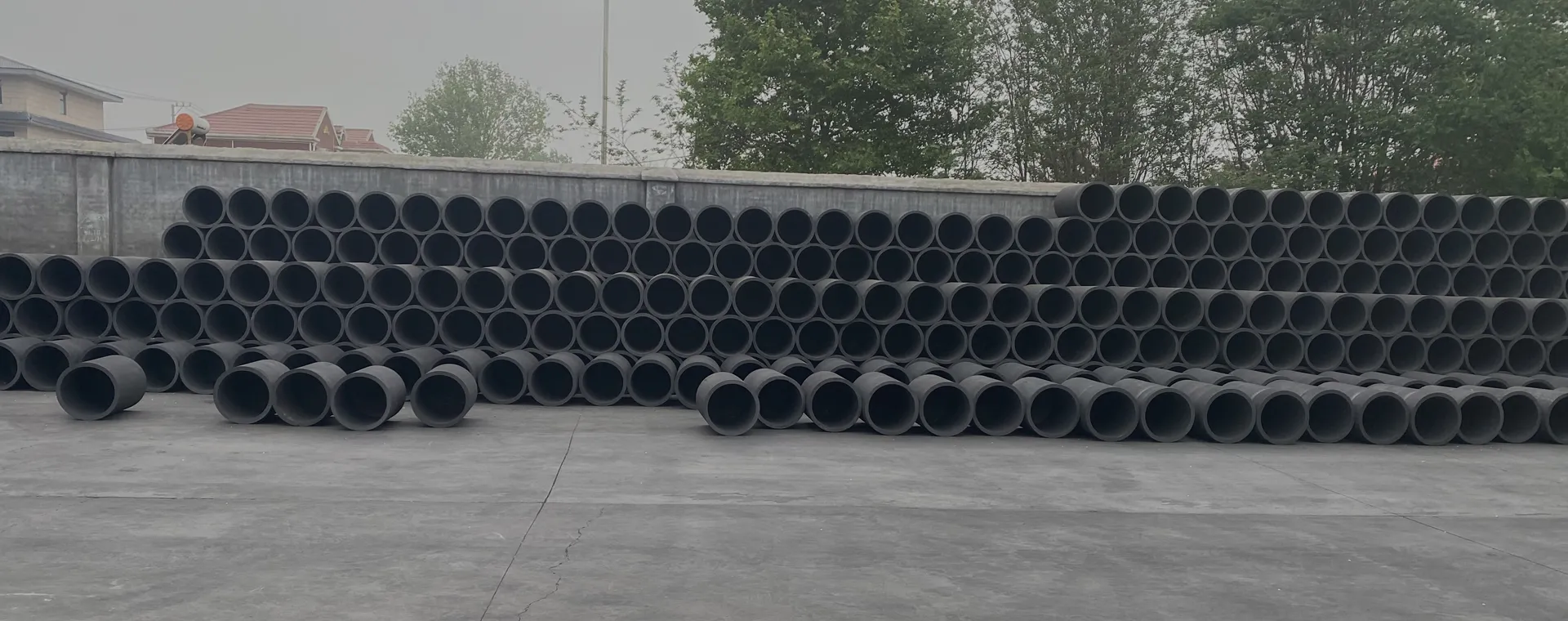
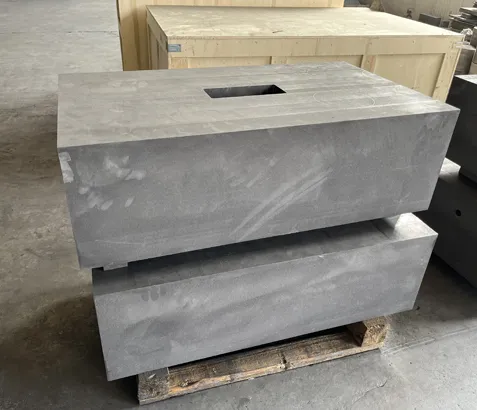
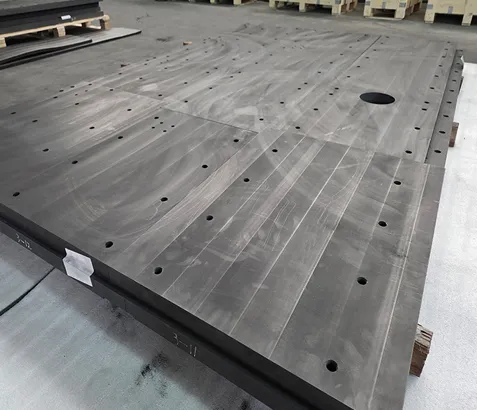
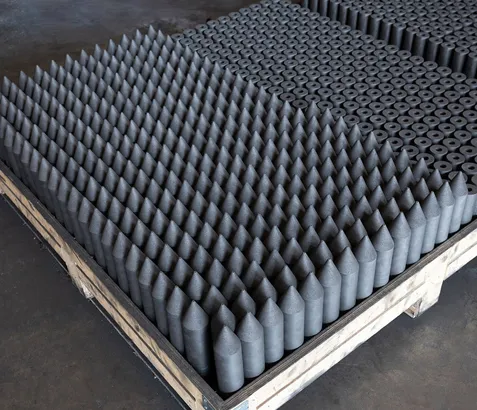
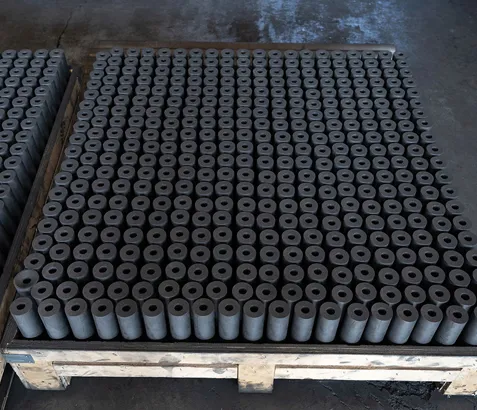
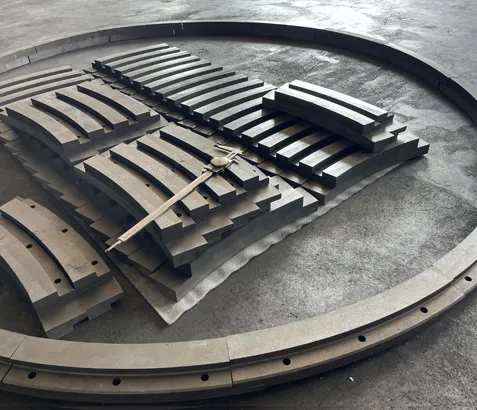
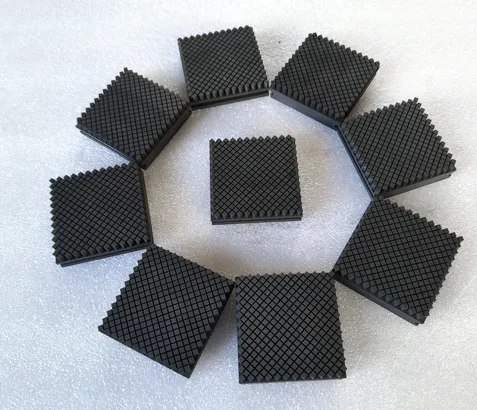
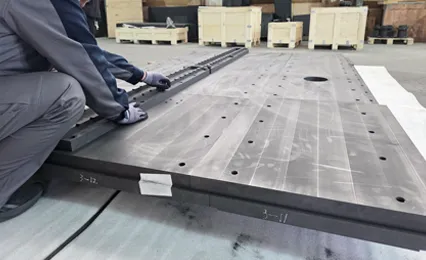
High-performance graphite base raw materials boast outstanding heat conduction and self-lubricating performance. Stable structure avoids deformation under extreme heat. Widely applied in EDM, metal smelting and new energy industries, custom specifications and wholesale prices are provided.

Advantages of Graphite Materials

  • 01

    Excellent thermal conductivity enables rapid heat transfer, even heating distribution and remarkable energy savings.

  • 02

    Graphite delivers powerful oxidation & reduction performance.

  • 03

    Eco-friendly and radiation-free, these graphite parts withstand extreme high temperatures.

  • 04

    Superior chemical inertness delivers robust resistance against acid & alkali corrosion.

Quality Control and Packaging of Graphite Materials

Quality Control and Packaging of Graphite Materials

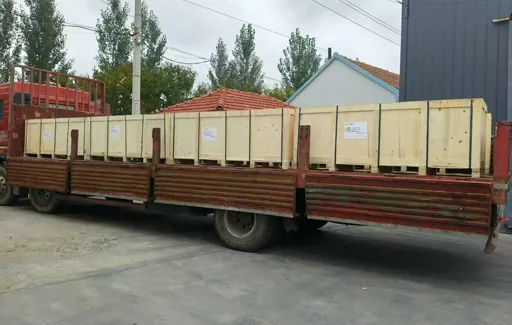
Packaging Control: We deliver customized packaging matched to product traits to guarantee intact, functional goods upon receipt. Inner layers adopt vacuum sealing plus bubble wrap for dual cushion protection. Outer packaging combines robust 5-ply corrugated cartons and solid wooden crates for double reinforcement. This packaging system fully secures cargo in transit while providing clients economical shipping options.

Quality Control and Packaging of Graphite Materials

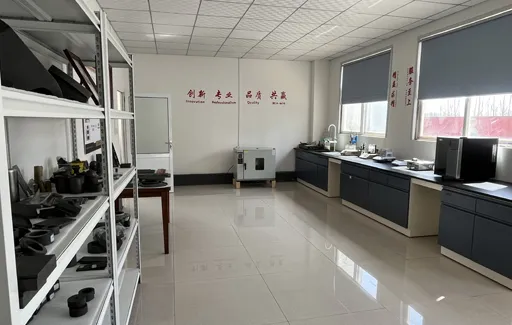
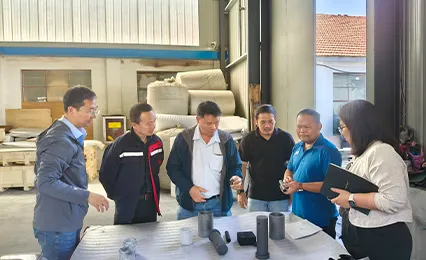
Quality Control: Our QC team specializes in raw material testing, random sampling audits and finished-product final inspections. Every standardized QC procedure strictly monitors product quality, eliminating defects throughout production. All rigorous checks aim to guarantee consistently premium, qualified goods delivered to every client reliably.

Graphite Materials FAQs

  • Q:

    Where does the thermal conductivity advantage of graphite lie, and is its heat conduction unstable?

    • Fast heat transfer rate and uniform heating reduce temperature differences in the furnace chamber, significantly saving fuel/electricity;  

    • High-purity synthetic graphite has stable thermal conductivity and does not degrade at high temperatures; low-purity natural graphite is prone to oxidation at high temperatures, leading to reduced thermal conductivity. 

  • Q:

    What are the industrial applications of graphite's redox properties?

    Graphite itself has strong reducing properties and can be used as a reducing agent in high-temperature smelting, metallurgy, and electrochemical industries. It also possesses stable oxidation buffering characteristics, making it commonly used in battery electrodes, metallurgical crucibles, and chemical reaction vessels to balance redox reactions within systems.

  • Q:

    What is the principle behind graphite's corrosion resistance? Which acids and bases can it withstand, and what types of media should be avoided?

    Graphite is highly chemically inert and resistant to corrosion by most strong acids (such as hydrochloric acid and sulfuric acid), strong alkalis, and organic solvents at room temperature.  

    Incompatible media: High-temperature concentrated nitric acid, dichromates, and other strong oxidizing liquids, which can rapidly erode the graphite surface. 

  • Q:

    How high a temperature can graphite withstand? Is there a significant difference between oxygen-rich and oxygen-free environments?

    • In oxygen-free vacuum/inert gas environment: withstands temperatures up to 3000°C;

    • In air (oxygen-rich) environment: slowly oxidizes and burns above 600°C; antioxidant coating is required for high-temperature applications in oxygen-rich conditions.

How Can We Help You?
If you have any questions about Tennry, you can leave a message online or contact us!
Request a Free Quote
Tennry News
We use cookies to offer you a better browsing experience, analyze site traffic and personalize content. Part of the tracking is necessary to ensure SEO effectiveness,
By using this site, you agree to our use of cookies. Visit our cookie policy to learn more.
Reject Accept