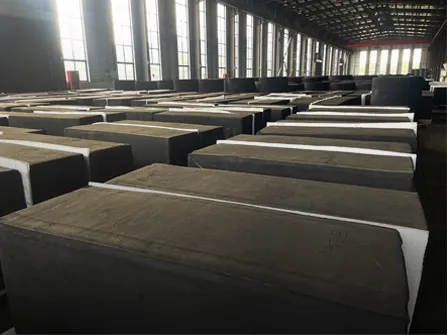
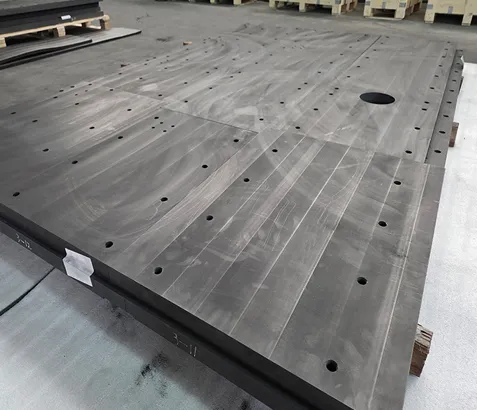
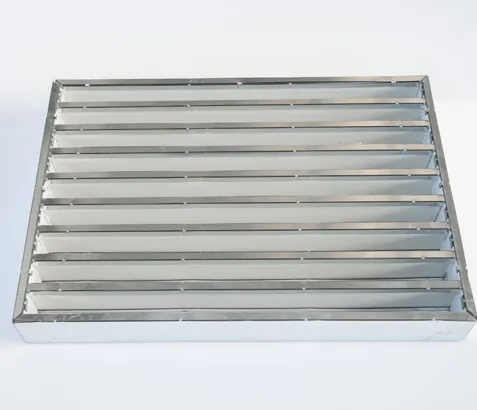
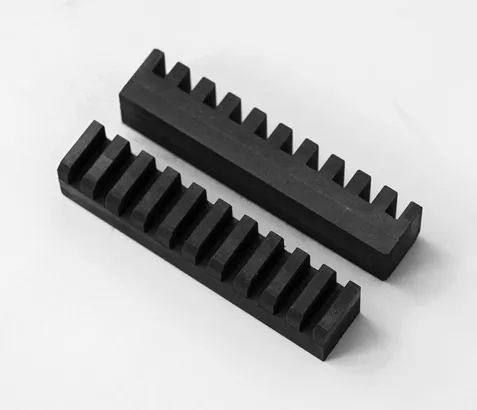
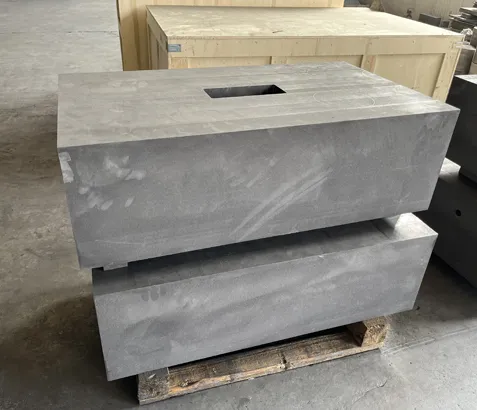
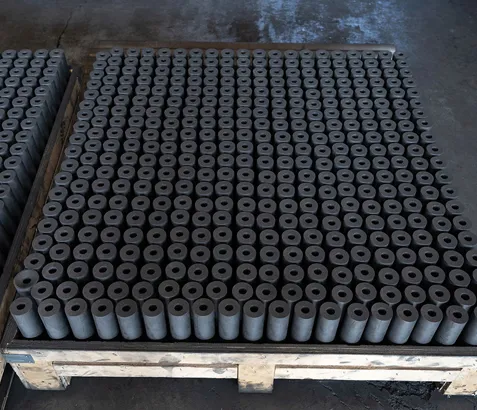
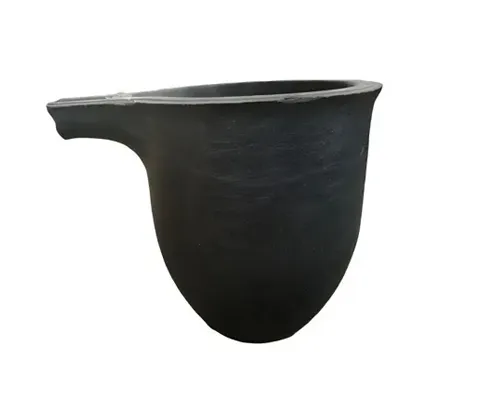
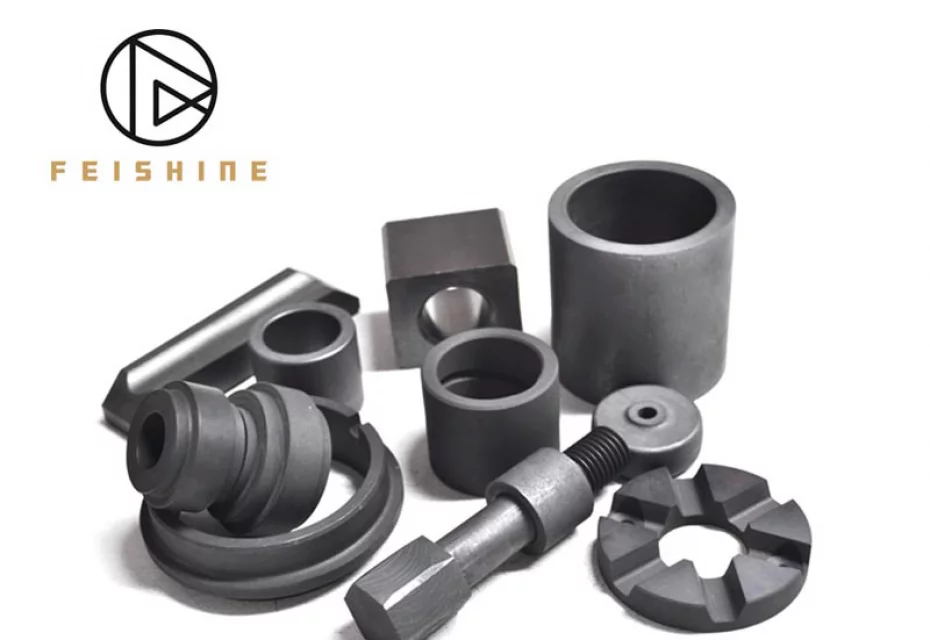
Graphite blocks and graphite plates are the basic forms of synthetic graphite. The main differences lie in size, production emphasis, and end application scenarios.
Core Differences
Size and Shape: Graphite blocks are thick solid blocks in the form of cubes or rectangular prisms, with a thickness typically above 50 millimeters. They are mostly produced through isostatic pressing or molding processes and have high volume density and structural rigidity. Graphite plates, on the other hand, are thin and flat sheets, with a thickness usually ranging from 1 millimeter to 50 millimeters. They are manufactured through rolling, molding, or extrusion processes.
Production Emphasis: Graphite blocks focus on density and uniformity of internal structure, and are suitable for applications requiring large amounts of material volume. Graphite plates, on the other hand, emphasize flatness, surface quality, and uniform thickness, and are optimized for scenarios that require large areas, thin conductive or heat dissipation surfaces.
Processability: Graphite blocks are more easily processed into complex three-dimensional shapes, such as molds, electrodes, and furnace components. Graphite plates are more suitable for two-dimensional cutting, drilling, and forming into flat components like heat sinks, sealing gaskets, and electrode plates.
Application scenario
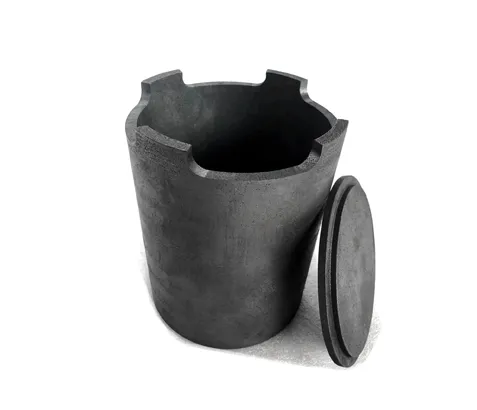
Graphite blocks: Used as electrodes for electrical discharge machining of large molds, heating elements in furnaces, crucible bases, mechanical seals, and components of nuclear reactors. Their high volume density ensures excellent thermal insulation and structural stability.
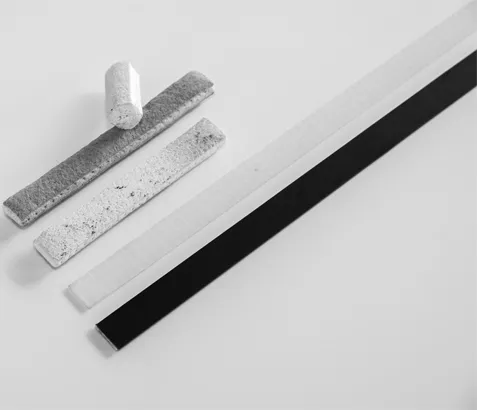
Graphite plates: Applied in electronic heat sinks, battery electrodes, conductive sealing pads, chemical corrosion-resistant linings, and solar cell components. Their thin structure maximizes the surface area for heat dissipation or conductivity.
 English