Color and Appearance
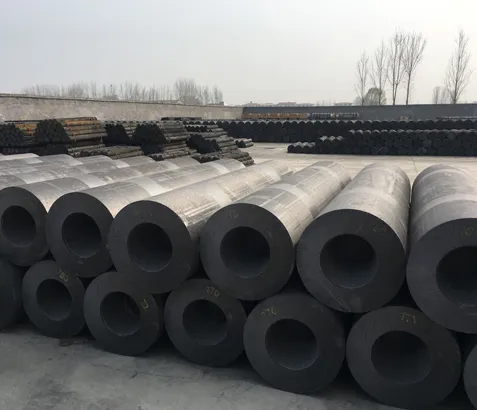
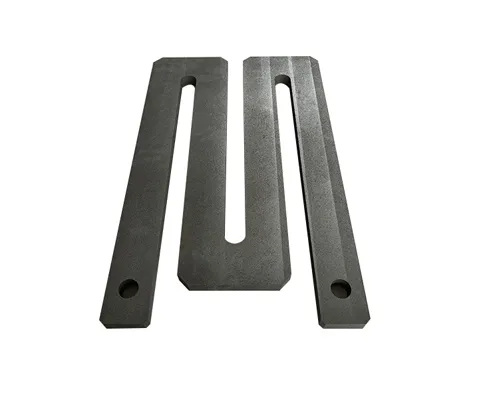
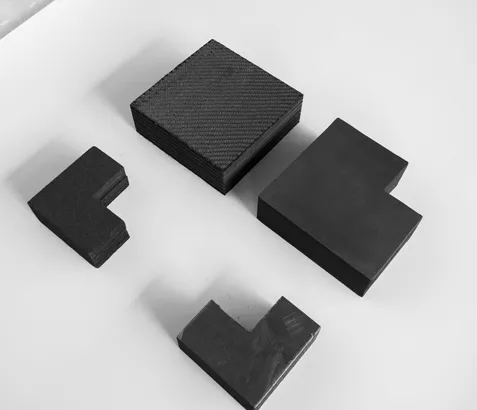
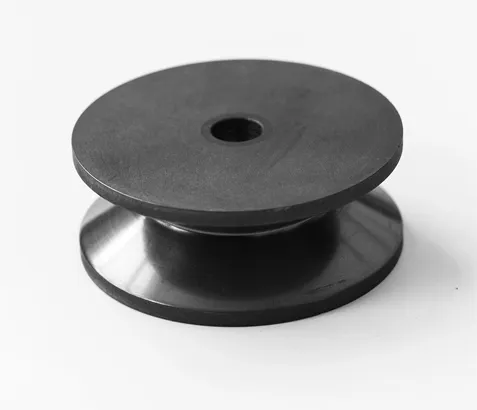
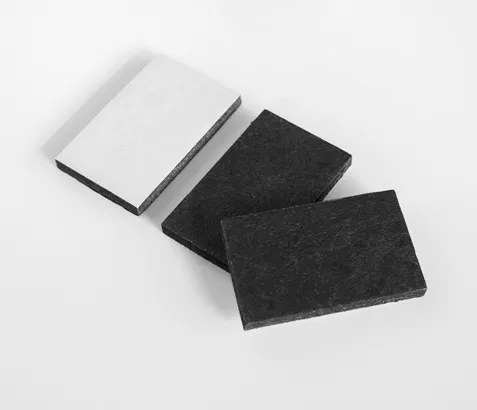
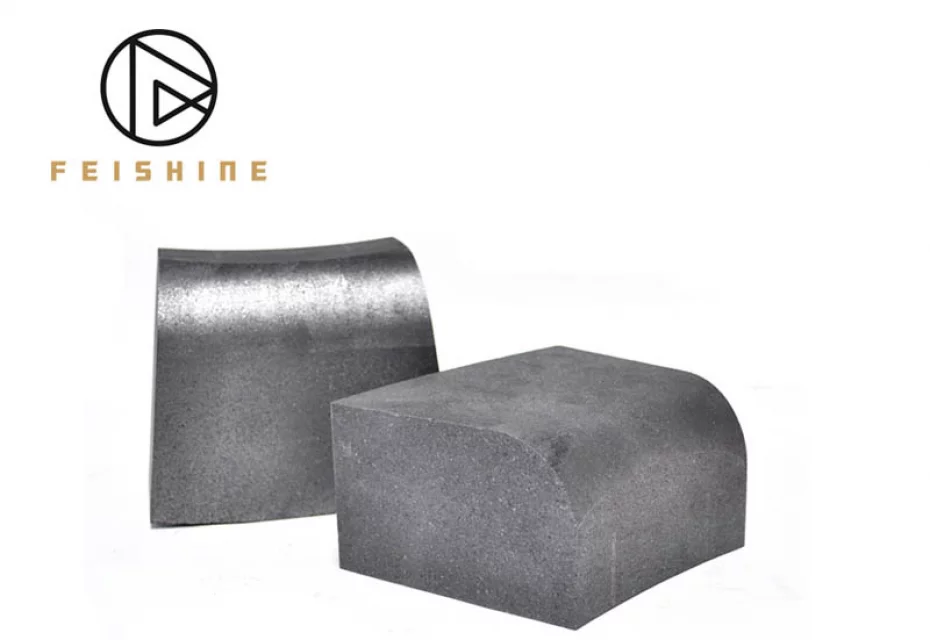
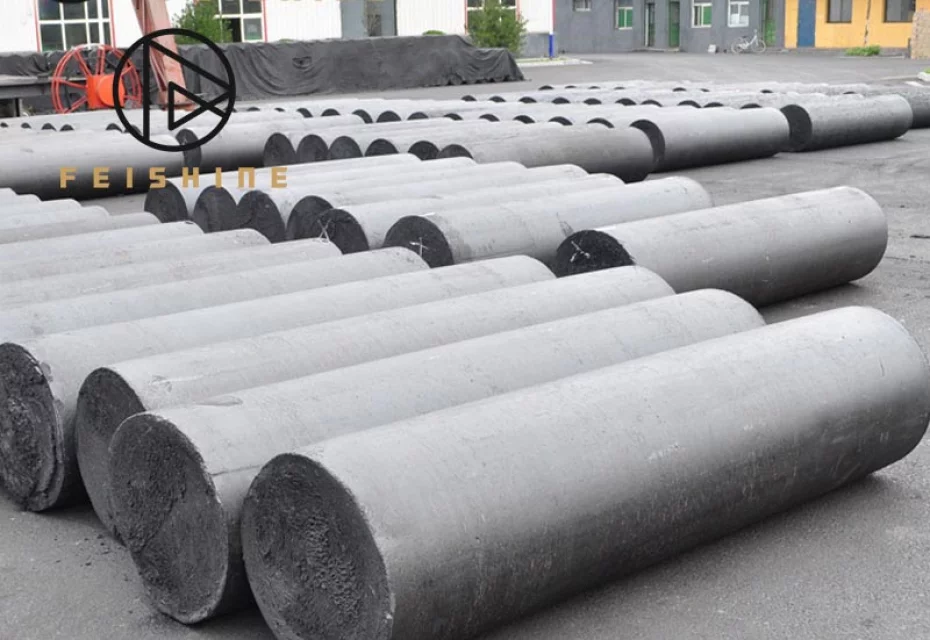
Graphite ranges in appearance from metallic luster to dark gray. Its distinctive visual characteristics facilitate identification across various applications. The natural tone of graphite makes it ideal for pencil manufacturing, delivering rich, vivid textures for sketches and drawings.
Density and Specific Gravity
Despite its good mechanical strength, graphite features relatively low density. Its layered crystal structure with interlayer gaps enables graphite flakes to float on water, and it feels lightweight to the touch. Its low weight renders it a preferred material for weight-sensitive applications, including aerospace components and sports equipment.
Melting and Boiling Points
Graphite possesses outstanding thermal resistance. It begins to soften at approximately 3,500°C. Thanks to its ultra-high melting point, graphite is widely adopted for high-temperature scenarios such as foundry components and nuclear reactor parts.
Electrical and Thermal Conductivity
Graphite’s electrical conductivity and thermal conductivity stem from the same structural feature. Free electrons within its layered structure enable efficient transfer of electricity and heat. This property supports its use in lithium-ion batteries, heating components and touchscreen devices.
Lubrication Properties
Weak interlayer bonding allows graphite layers to slide easily against one another, granting graphite excellent self-lubricating performance. It is widely used wherever low friction and smooth motion are required, applicable to bearings, mechanical moving parts, as well as pencil leads.
 English