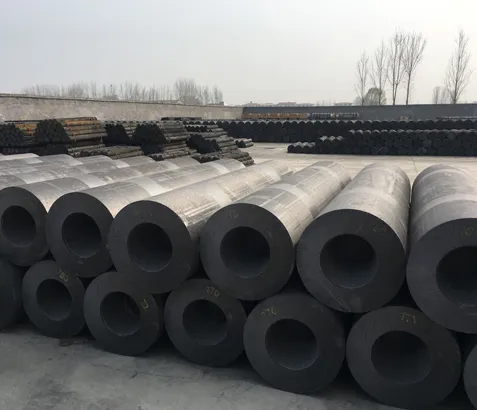
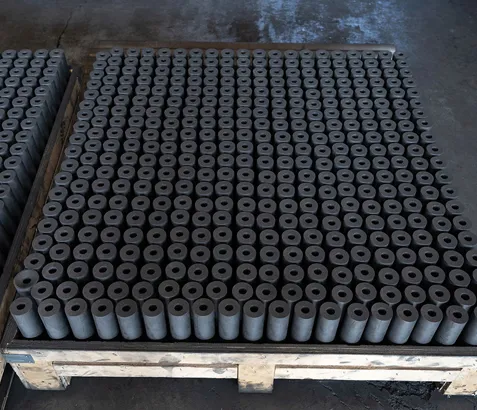
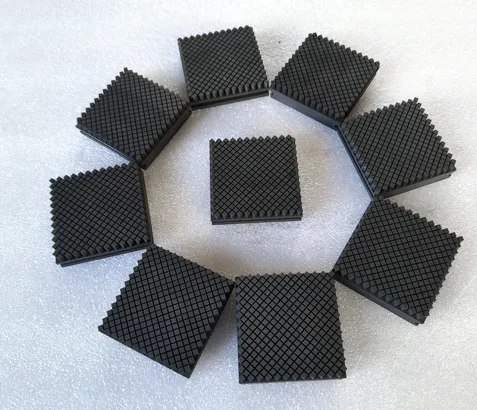
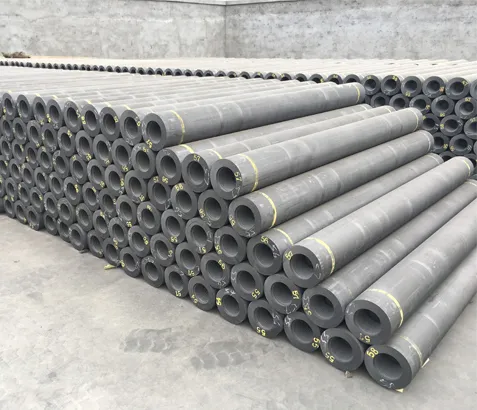
(1) Carbon-based materials: Most carbon-based materials use pitch. However, in order to control the porosity, tar or pitch is often mixed with tar, creosote, and other low-carbonization and low-viscosity carbon-based materials. They are all carbonized by heat treatment after being impregnated, so the residual substance entering the pores is only carbon.The carbon process is a process in the current standard carbon process. It aims to improve the density, strength, electrical conductivity, thermal conductivity, corrosion resistance and wear resistance and other properties, and has become the most common treatment method for general carbon materials, especially It is an indispensable process in the production of fine structure graphite and UHP electrodes for electric furnace steelmaking.
In order to achieve the same purpose, there are also cases of impregnating synthetic resin and then roasting and carbonizing. Carbonized synthetic resin generally produces hard carbon, which is characterized by greatly increasing hardness, thereby greatly improving wear resistance. In addition, compared with asphalt-based impregnants, its air permeability reduction effect is more obvious.
(2) Synthetic resin: Usually, the initial condensate or monomer is impregnated into the product matrix. After impregnation, the impregnant completes the polycondensation in the pores through heat treatment or curing agent. The purpose of impregnation is to improve corrosion resistance, wear resistance and strength, in addition to airtightness.
(3) Grease: most of the fats can be dried oils such as linseed oil and tung oil. Grease substances are generally hydrophobic. In order to prevent the penetration of solutions, they are often used (conductive rods of electrolytic plates, sliders for current collection, etc.). Sometimes non-greasy substances such as paraffin wax are used for the same purpose.
(4) Metal: Babbitt alloy and other low melting alloys and metals such as copper and aluminum are mainly used. The purpose of impregnation is mainly for airtightness, improvement of strength and hardness, increase of conductive capacity and improvement of wear resistance. It is mostly used for electrical parts such as sliders, electrical contacts and brushes of trolley buses.According to the different use conditions of graphite materials, the metals and alloys used for impregnation include lead, copper, zinc, silver, tin, antimony, and aluminum alloys.
(5) Inorganic compounds and other impregnating agents: Inorganic compounds are mainly used in the form of aqueous solutions and sometimes in the form of suspensions. The main applications are: impregnation of phosphate or alumina for the purpose of improving oxidation resistance to enhance The impregnation of iron or molybdenum salt for the purpose of mercury electrolysis of potassium chloride, and the impregnation of metal halide for the purpose of preventing abnormal wear of aviation brushes, etc.
It is also impregnated with various lubricants, the main purpose of which is to reduce the friction of the electric brush, so as to achieve the purpose of reducing vibration and reducing power consumption and wear. This dipping method can greatly improve the effect of the brush in vacuum.
 English