1. Case Overview
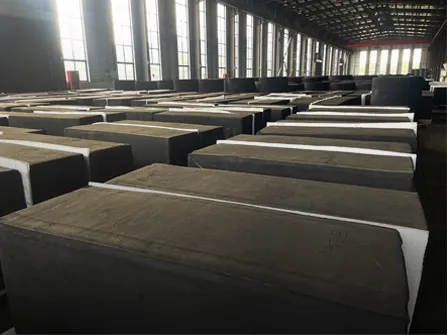
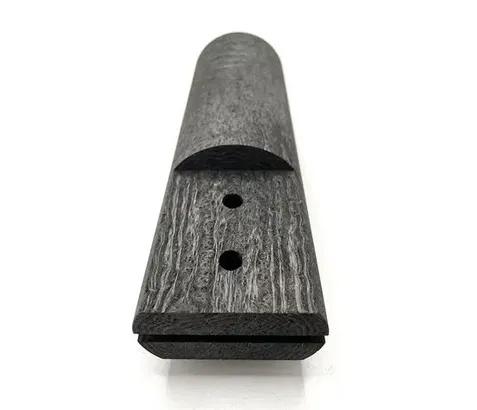
Tennry Carbon specializes in high-purity graphite and precision graphite forming and processing. Leveraging mature technologies in pore control and surface modification, the company has developed antioxidant-modified graphite rotors specifically for degassing and slag removal processes in aluminum alloy melting. These products are compatible with automotive aluminum casting, new-energy battery casings, industrial aluminum profiles, and high-end aluminum foil smelting lines. They address key industry challenges such as high-temperature oxidation, molten aluminum infiltration, short service life, and rapid decline in degassing efficiency of conventional graphite rotors, helping aluminum processing enterprises improve melt quality, reduce consumable costs, and minimize production line downtime.
2. Project Background
Graphite rotors are critical consumables in aluminum smelting. Operating at high speeds in 750°C molten aluminum, they disperse argon or nitrogen into microbubbles to remove hydrogen and capture alumina inclusions, directly influencing defect rates such as porosity and slag inclusions in castings. Traditional standard graphite rotors commonly suffer from four major issues:
Highly porous structure leads to rapid oxidation at the high-temperature air interface, causing neck shrinkage and breakage;
Molten aluminum penetrates into the graphite interior, and subsequent cooling-induced expansion results in rotor cracking;
Prolonged exposure to molten aluminum causes impeller wear and deformation, leading to continuous decline in degassing efficiency;
Short replacement cycles require frequent shutdowns for installation and removal, disrupting continuous casting operations.
3. Core Modification Technologies
(1)High-Purity Graphite Raw Material Purification
Strictly controlling impurity levels in graphite prevents contaminants from entering the molten aluminum and forming hard inclusions, meeting purity requirements for premium automotive and new-energy aluminum materials.
(2)Matrix Densification and Pore Sealing Modification
Using vacuum impregnation technology, interconnected pores within the graphite are filled, reducing porosity, preventing molten aluminum penetration, and avoiding cracking due to aluminum infiltration and thermal expansion.
(3)High-Temperature Oxidation Resistance Surface Modification
A dense protective layer is formed on the graphite surface to resist high-temperature oxidation, particularly protecting the alternating regions above and below the molten metal surface, thereby mitigating "neck failure."
(4)Structural Optimization + Precision Machining
Optimized impeller flow design reduces erosion and wear from molten metal; integrated molding and high-precision dynamic balancing ensure smooth rotation and minimize secondary gas absorption.
4. Commercial Implementation and Results
Application Scenarios: Continuous casting lines for aluminum profiles and electronic aluminum foil
These lines involve frequent start-ups and shutdowns under severe thermal shock conditions. The modified graphite rotors exhibit superior thermal stability and are less prone to cracking under temperature cycling, ensuring uninterrupted, long-term degassing and refining while maintaining consistent microstructure uniformity in aluminum ingots.
Economic Benefits:
Aluminum processing companies achieve over a 30% reduction in graphite rotor procurement costs, significantly reduced maintenance downtime, lower scrap losses, and improved product quality and operational efficiency.
5. Core Value of the Project
(1)Process Synergy Value
Demonstrates the cross-industry applicability of graphite powder modification technology by transferring purification, pore control, and surface modification techniques originally developed for lithium-ion battery anode graphites to metallurgical-grade graphite products, establishing a pathway for extending new-energy carbon materials into non-ferrous metallurgy equipment consumables.
(2)Customer Cost Reduction Value
Solves root-level problems—oxidation, aluminum infiltration, and wear—by improving material performance, extending consumable lifespan, reducing casting defects, and aligning with the upgrading demands of China’s high-end aluminum processing industry.
(3)Competitive Advantage
Unlike conventional graphite manufacturers relying solely on machining, this enterprise owns core technology for modifying the graphite matrix, enabling integrated “raw material modification → precision forming” production. It can customize rotor solutions based on different alloys and furnace operating conditions.
 English