1. Project Overview
This project custom manufactures corrosion-resistant graphite reactor linings for chemical enterprises, designed for use in chemical reaction processes involving strong acids, alkalis, and high-temperature corrosive media, replacing traditional metal lining materials. The core of the project lies in leveraging the chemical inertness and high-temperature resistance of graphite to address issues associated with conventional linings—such as susceptibility to corrosion, short service life, and high maintenance costs—ensuring continuous and safe chemical production while reducing operational expenses for enterprises.
2. Customer Requirements and Challenges
Core customer requirements: First, the graphite lining must exhibit excellent resistance to acid and alkali corrosion, capable of withstanding long-term exposure to highly corrosive media such as 98% sulfuric acid and 30% sodium hydroxide. Second, it must withstand temperatures up to 300°C to accommodate high-temperature reaction conditions. Third, the lining should possess good sealing performance and thermal conductivity to ensure stable reactions and prevent medium leakage. Fourth, the service life of the lining must exceed five years to minimize replacement frequency and maintenance costs.
Main challenges: Graphite material is inherently brittle, making it prone to cracking during processing, which compromises sealing integrity. In high-temperature corrosive environments, controlling interface reactions between graphite and the medium is difficult, leading to localized corrosion. High precision is required in the fit between the lining and the reactor shell, necessitating solutions to seal failure caused by differences in thermal expansion coefficients. Additionally, a balance must be achieved between corrosion resistance and mechanical strength to prevent damage during operation.
3. Production & Final Delivery
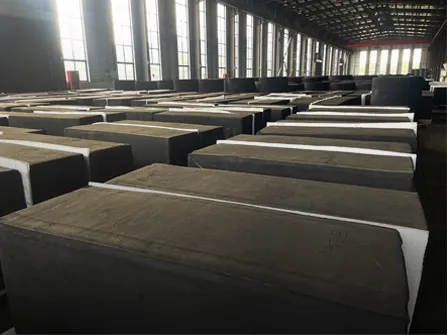
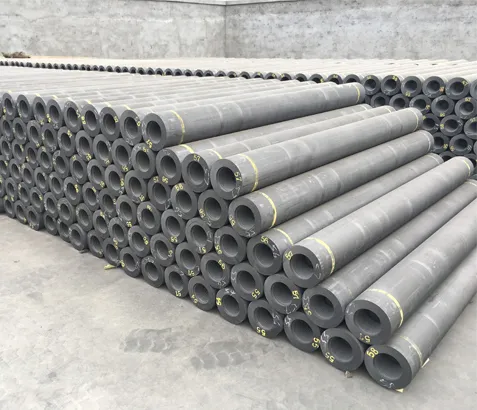
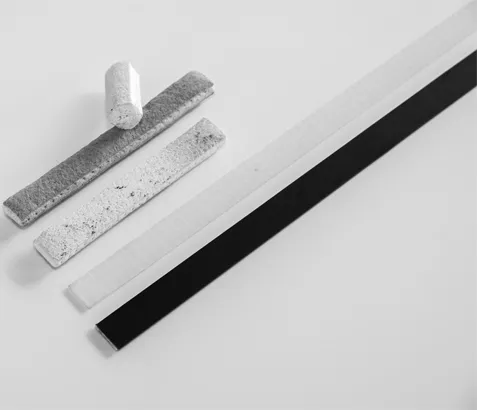
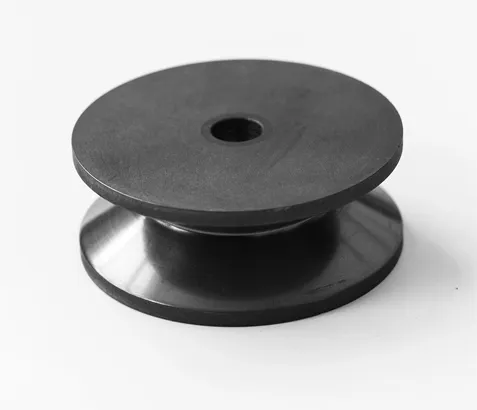
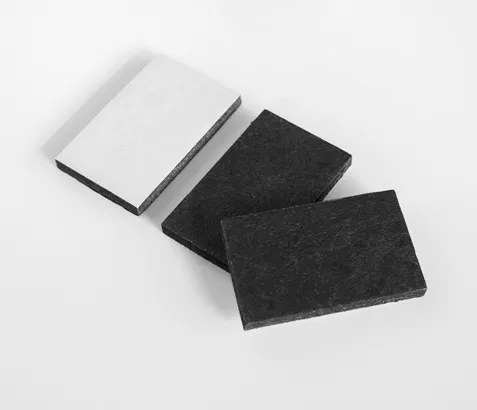
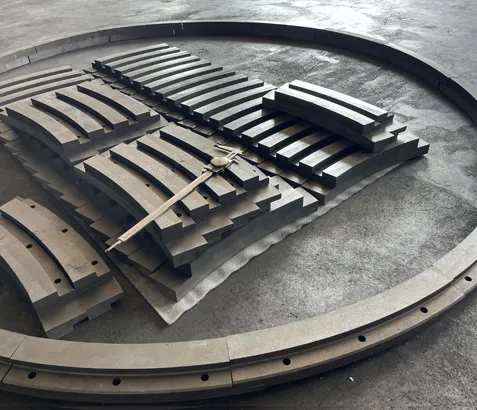
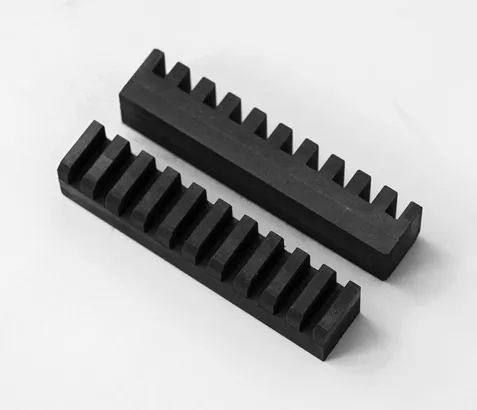
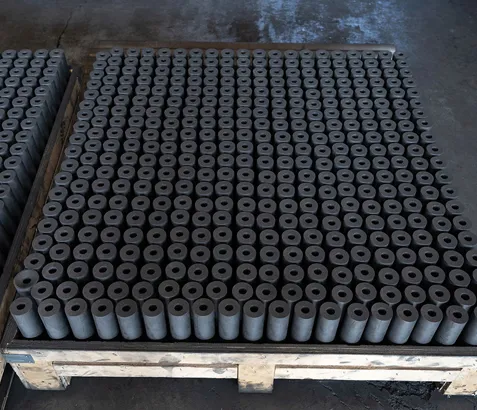
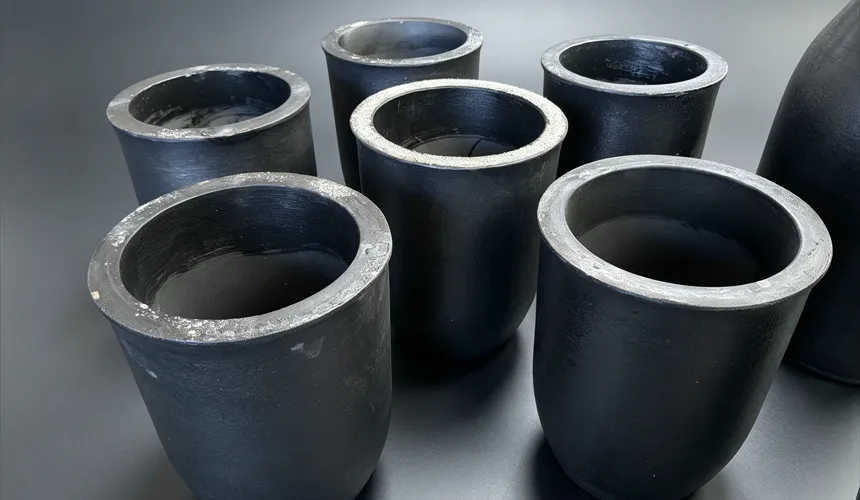
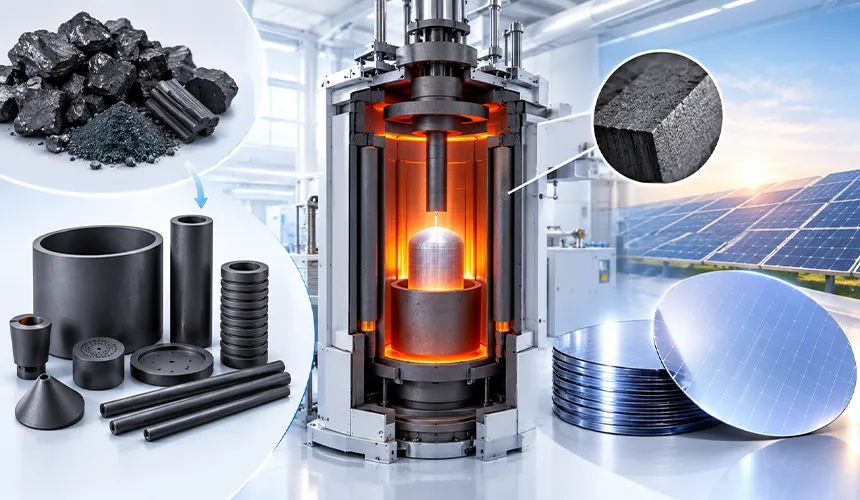
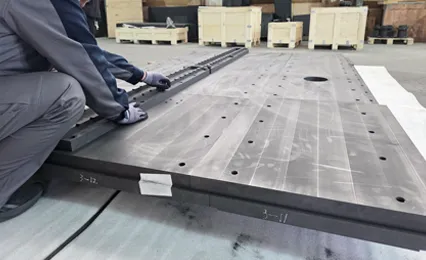
Using high-purity isotropic graphite as raw material, the material's density and mechanical strength are enhanced through high-temperature pressing and sintering processes, reducing internal porosity and improving corrosion resistance. The inner surface of the graphite liner is passivated to form a dense protective layer that blocks contact between corrosive media and the graphite matrix. The liner structure design is optimized with a segmented assembly process combined with high-temperature-resistant sealing gaskets, effectively addressing sealing issues caused by differences in thermal expansion coefficients. During processing, precision inspection techniques are employed to strictly control dimensional accuracy and surface quality, ensuring a perfect fit with the reactor shell.
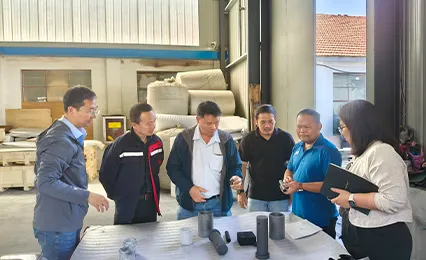
The final corrosion-resistant graphite reactor liner is delivered, installed on-site, and undergoes sealing tests, accompanied by a comprehensive operation and maintenance plan along with after-sales support. After customer trial operation, no leakage or noticeable corrosion was observed, and all performance indicators met the required specifications.
4. Project Outcome
After implementation, the service life of the reactor lining for the client extended from one year with traditional metal linings to over six years, reducing maintenance costs by 70% and significantly decreasing production line downtime, while increasing production efficiency by 20%. The application of graphite linings eliminated safety hazards caused by leakage of corrosive media, ensuring the safety and stability of chemical production. Meanwhile, this project provided an excellent solution for upgrading corrosion-resistant equipment in the metallurgical and chemical industries, promoting the widespread use of graphite materials in the chemical sector and supporting the industry's transition toward green and efficient manufacturing.
 English