
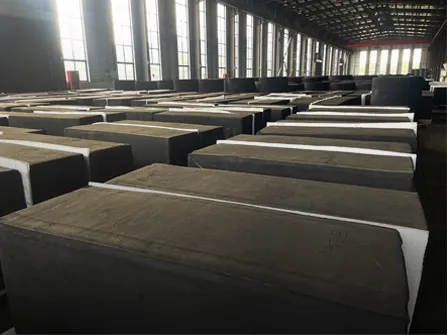
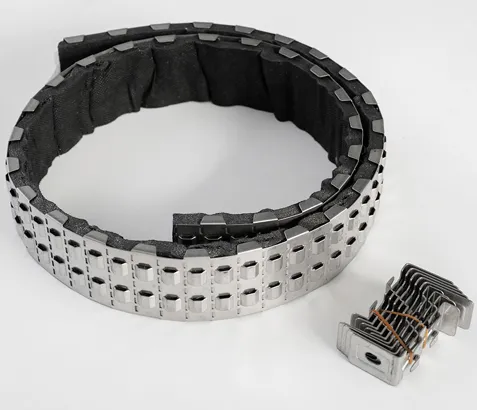
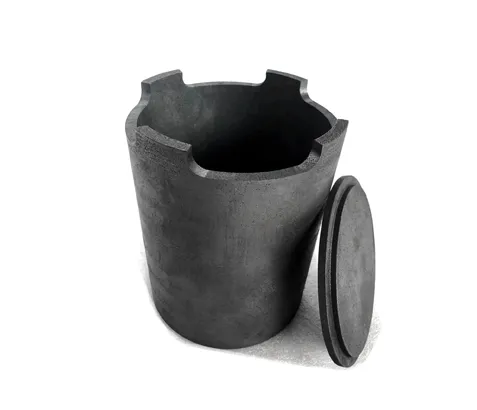
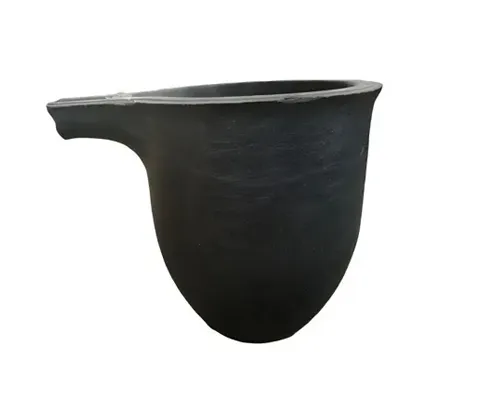
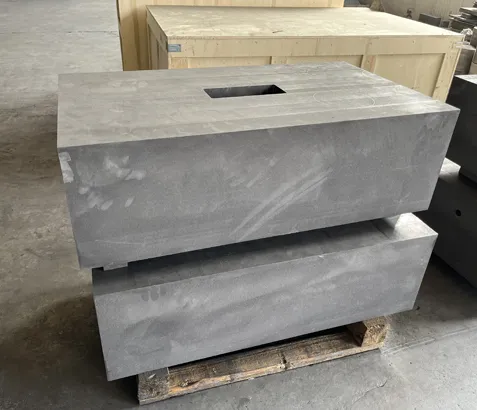
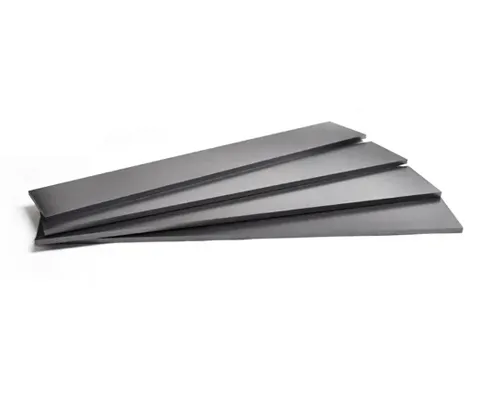
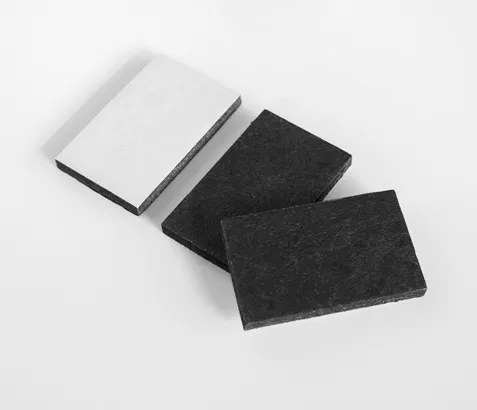
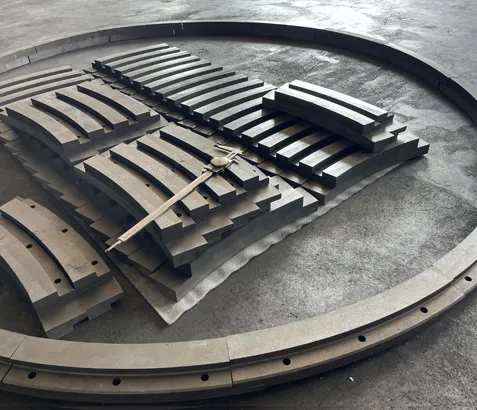
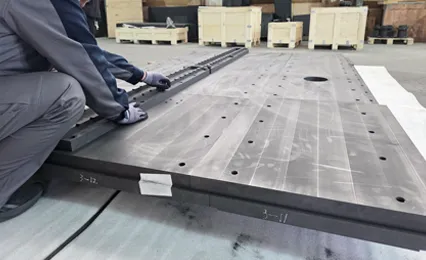

Tennry Carbon has long been engaged in the production of lithium battery anode graphite, possessing a mature process system including high-purity graphite purification and strict control over physical and chemical specifications. The company can leverage its existing equipment with minor process adjustments to enter the new energy battery component market at low cost.
Application Scenario: Vanadium Redox Flow Battery (long-duration grid energy storage, hybrid energy storage for wind and solar power stations)
Implemented Project: Megawatt-scale vanadium redox flow battery stacks. The electrolyte in vanadium redox flow batteries is highly acidic, requiring exceptional corrosion resistance from the bipolar plates.
Performance Outcome: Modified graphite bipolar plates resist erosion by strong-acid electrolytes, showing no significant swelling or delamination over long-term cycling. They ensure stable current collection and conduction, effectively reducing ohmic polarization and improving system energy efficiency. These plates have been successfully applied in demonstration projects for wind-solar hybrid energy storage and grid peak-shaving storage, becoming the mainstream choice for long-duration energy storage stacks.
Hydrogen-powered ships, fuel cells for construction machinery, special-purpose mobile power sources, conductive bipolar plates for PEM water electrolysis for hydrogen production, and electrochemical synthesis equipment.
Technical reuse value: The modified graphite anode system for lithium batteries demonstrates cross-sector migration potential. Carbon material companies can enter the high-end fuel cell stack components market at low cost without separating their lithium battery, hydrogen energy, and energy storage businesses, leveraging their existing carbon material R&D platforms to promote domestic substitution of graphite bipolar plates.